Making Kimchi
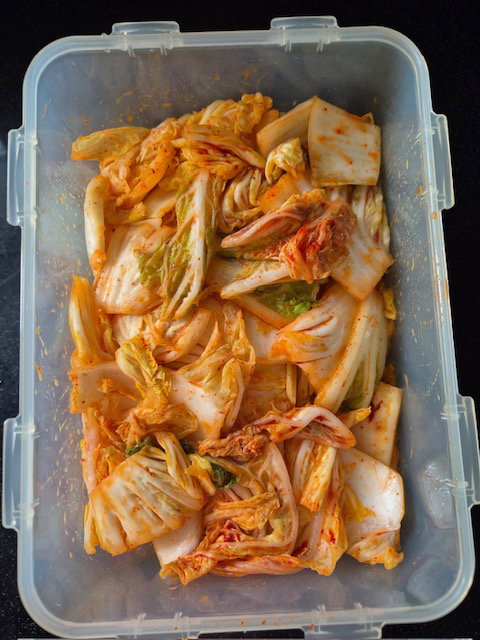
Kimchi is one of those foods that feels alive—literally and culturally. At its core, it’s a method of preservation, a way to stretch the life of vegetables through fermentation. But in practice, kimchi is so much more: it’s a daily staple, a tradition passed through generations, and an endlessly adaptable recipe shaped by region, season, and personal taste.
A Living Tradition
Traditional kimchi-making (often called kimjang) is rooted in community. Families historically gathered in late autumn to prepare large batches that would last through the winter. Napa cabbage is the most iconic base, but kimchi can be made with radish, cucumber, scallions, and more. The magic lies in the balance—salt, heat, umami, and time. Fermentation does the heavy lifting. Once salted vegetables are mixed with seasonings, naturally occurring lactic acid bacteria begin converting sugars into acids. This process creates kimchi’s signature tang while also preserving the vegetables and developing deep complexity.
Vegan Kimchi: Flavor Without Fish
Many traditional kimchi recipes rely on fish sauce, salted shrimp, or anchovy broth for depth. But a rich, satisfying vegan kimchi is absolutely achievable. The key is layering umami through plant-based ingredients like garlic, ginger, fermented soybean products, seaweed, or simply a well-balanced spice blend. That’s where a good kimchi paste comes in. Having a pre-mixed, shelf-stable powder simplifies the process dramatically—you just hydrate, mix, and ferment.