From Korea to Your Kitchen: Food, Culture & Connection
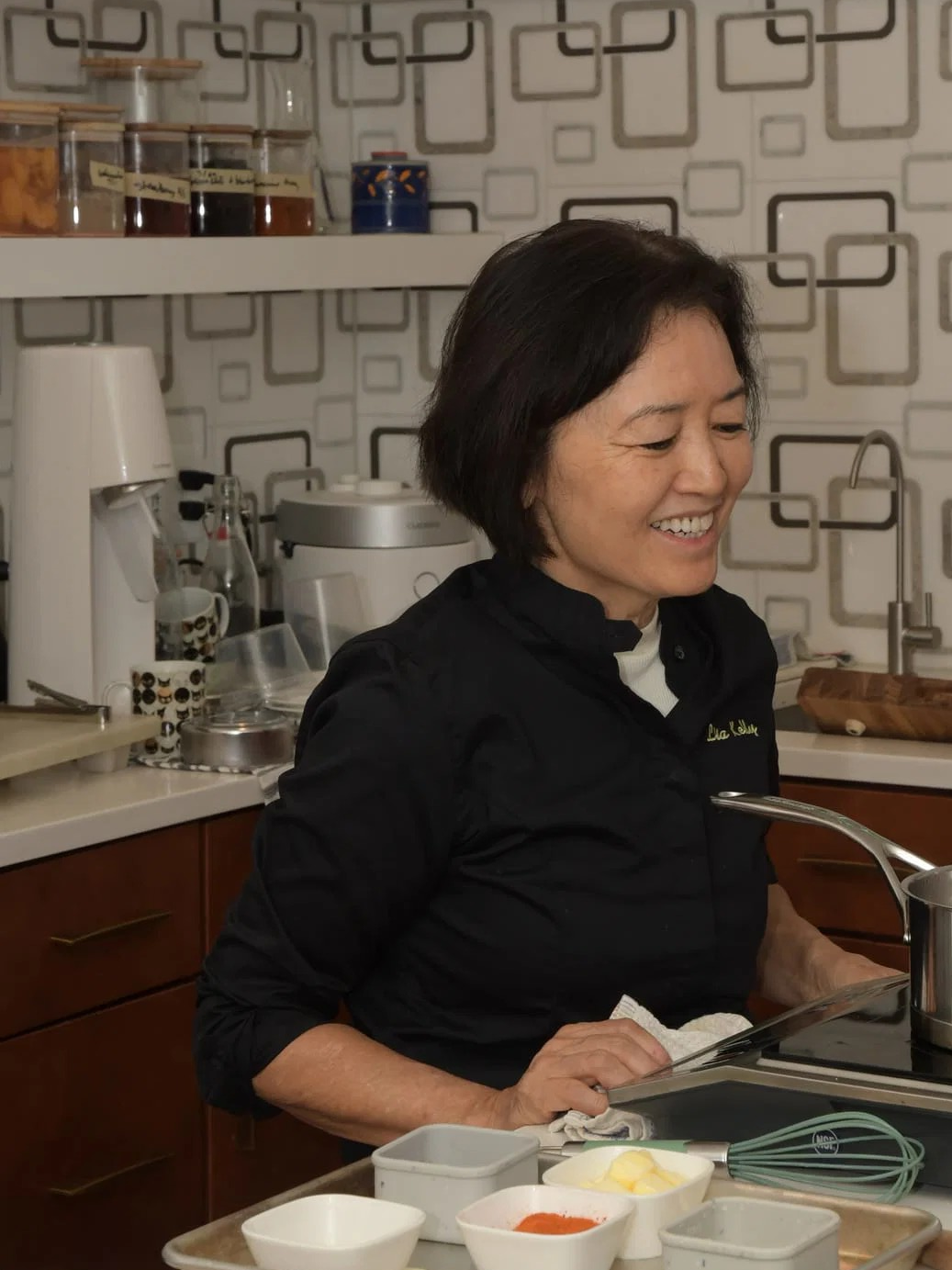
Many of the recipes on this site come from what I learned while living and teaching in Korea, where everyday meals showed me how closely food is tied to place, season, and community. They start with familiar Korean flavors (gochujang, doenjang, sesame oil, garlic, scallions, seaweed, fermented vegetables) and explore how those building blocks can work in new ways: quick weeknight dishes, or simple additions that turn pantry staples into something vibrant and distinctly Korean in spirit.
My goal is to show that Korean ingredients are approachable, practical, and versatile, not mysterious items saved for special occasions. A spoonful of gochujang adds gentle heat and sweetness to a marinade. Doenjang deepens a broth or enriches a vegetable sauté. Kimchi brings tang and complexity to grains, eggs, or noodles. Used thoughtfully, they build depth, brightness, and umami without complicated techniques.
Cooking Korean food connects two parts of my story: being Korean, and growing up in America, where food was both comfort and conversation. Korea taught me respect for ingredients, attention to seasoning, and the feeling of a shared meal. America shaped how I translate Korean food for different audiences. Together, they guide how I adapt recipes for home kitchens, making room for both authenticity and accessibility.
I try to honor what makes Korean food Korean: balance, contrast, and layered seasoning and texture. Tradition gives the foundation, including fermenting, seasoning in stages, and pairing bold condiments with simple ingredients. But every cook brings their own memories and creativity, and my recipes reflect both that tradition and the chef I’ve become through professional training and years of curiosity about how flavors travel and evolve.
A recipe can be more than ingredients and instructions. It can carry memory, heritage, and connection, from the smell of toasted sesame to the comfort of a warm bowl of soup. I hope you leave with more than recipes.
I hope you feel inspired to experiment adjusting the heat, trying different vegetables, swapping proteins, and balancing salty, spicy, sour, and sweet, until you can make these flavors your own. Culture isn’t something we keep on a shelf. We share it in real time, and we keep creating it through the meals we cook and the stories we carry forward.